
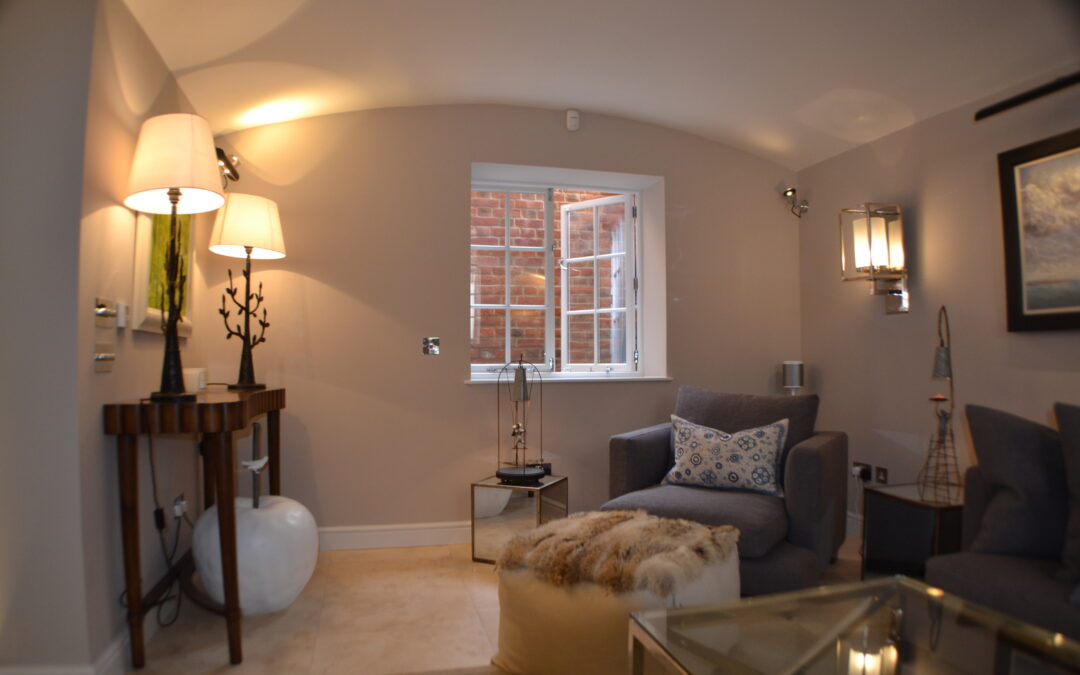
Need more space? One of the most popular conversions we’re asked to do recently is a basement conversion.
Many houses have cellars that have been neglected. Chances are they are dark, damp and dank spaces hardly fit for storage, let alone spending any amount of time in them. A basement conversion is the process of changing this space into an inhabitable room. There are varying degrees of basement conversion from a basic conversion to one that involves excavation and expansion in order to create sufficient height to be habitable.
Nowadays, we also find that escalating property prices mean that children are living at home much longer as they save to get a property of their own. Basement conversions are a great solution, providing separate living spaces for them. Alternatively, you can use this separate living space for aging parents.
Converted basements are also great for storage, freeing up more valuable above-ground space. More and more people are keen to keep fit and home gyms are convenient and those who are self-employed or have the option to work from home also find that basements work well as self-contained home offices.
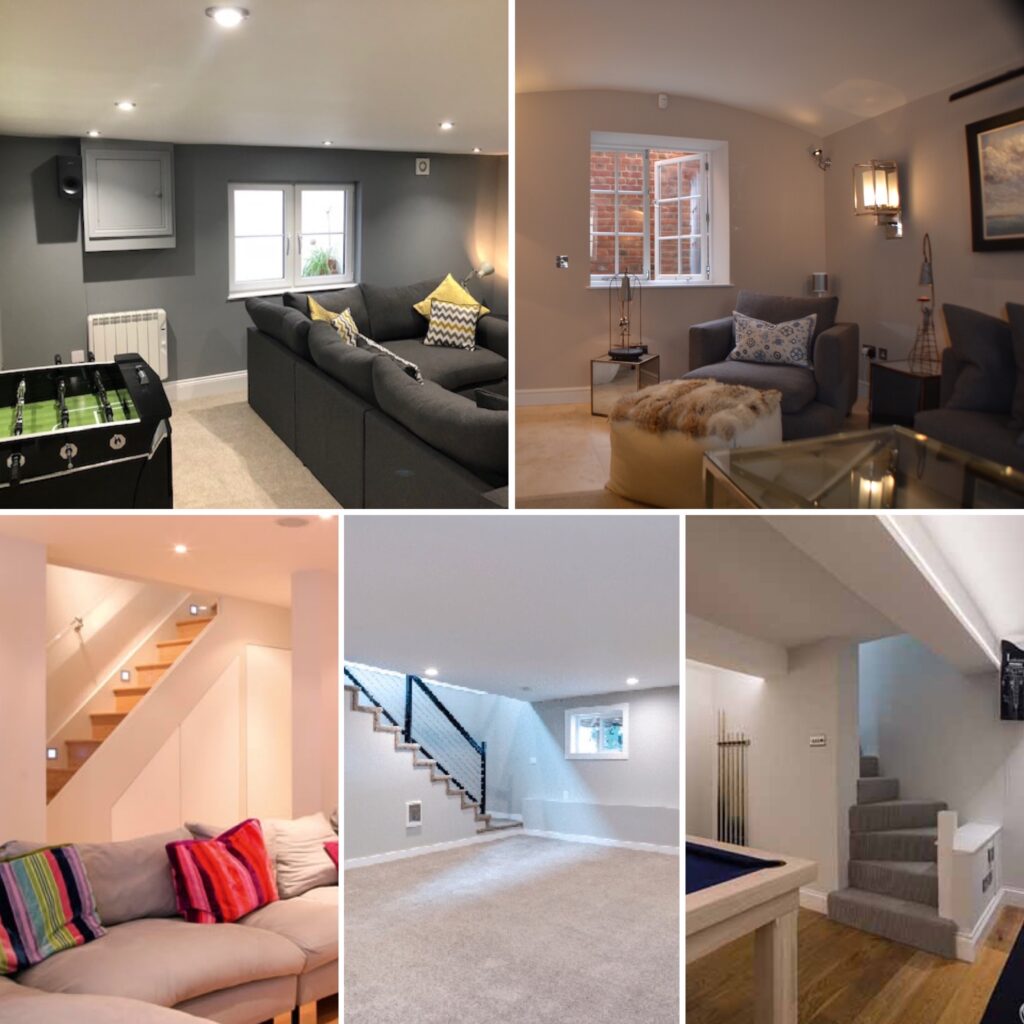
In summary, a basement conversion:
1) Gives you extra space
2) Adds value to your property and makes it easier to sell
3) The waterproofing of your basement protects against mould and fungal rot infestations that can cause costly damage to your home
Basement conversions are a great way to create extra living space in built-up areas where outdoor space for extensions is limited.
A basement, naturally closer to the main living areas and garden than a loft extension, is a brilliant way to add more practical living and entertaining space.
But there are a few things to consider in the initial preparation of the basement before charging in.
Basement conversion costs can include the following:
- Waterproofing
- Flooring
- Heating including plumbing costs
- Lighting including electrical costs
- Decorating
It’s worth pointing out that given the amount of value a basement conversion adds to your property, it is usually worth it.
My space is damp. Why?
If you are experiencing damp in your basement, it can be difficult to pinpoint the source of the water. Without knowing the cause, and it can make you vulnerable to flooding. Low-lying areas are more at risk, especially those below the flood plane.
These are common causes of basement damp
1) Groundwater – a simple process where rainfall makes the ground damp that then leads to a damp basement wall
2) Surface flooding – from a heavy storm or overland flooding
3) Burst water pipes – water from faulty or damaged pipes
4) A high water table – areas with a high water table are prone to flooding
5) Poor landscaping – if soil slopes down to the house rather than sloping away from the house for the first ten feet as it should
6) Poor quality concrete floors – cracks or faults in the floor
Basement Waterproofing
As the object of most basement conversions is to give you more habitable space, we need to ensure the space is completely dry and provides a welcoming environment. There are many ways to waterproof a basement and these are some of the most common. Waterproofing your basement involves blocking the passage of water into the basement. This can be achieved through a few different methods including external waterproofing and tanking (these work by blocking the passage of water into your basement) or by installing a cavity membrane drainage system that allows you to manage any water ingress by channeling it to a suitable evacuation point.
External waterproofing: This type of basement waterproofing generally occurs in the construction of a basement or below ground structure. We have found this isn’t the most reliable method as it requires an element of ground settling once everything is backfilled.
Tanking: Also known as Cementitious waterproofing involves applying a fully bonded waterproof cement system to the walls, floors, and in some cases ceilings of a basement. The tanking product bonds with the existing masonry substrate, creating an impervious layer that prevents water ingress while remaining breathable. Tanking is designed to withstand external water pressure around the basement and must therefore be fully bonded to the substrate.
Cavity Drain Membranes: Waterproofing membranes are applied to the walls, floors and in some circumstances (vaulted ceilings) to the ceiling of your basement. They are designed to produce a cavity between the waterproof membrane and the wet wall. The cavity created by the cavity drainage membranes provides a free space for any water to travel. This water is then directed via drainage channels to a pump system which then evacuates the water to an external drain. This is the most expensive option.
Do I need Building Regulations for a Basement conversion?
The short answer is probably not if you’re already using the area. However converting a basement into a habitable space will require Building Regulations approval even if it only involves a change of use of an existing cellar.Building Regulations will ensure your newly converted basement is safe and energy efficient.
Building Regulations cover areas such as fire escape routes, ventilation, ceiling height, damp proofing, electrical wiring and water supplies. The renovation of an existing habitable basement, or the repair of a cellar that does not involve a change of use is excluded from Building Regulations.
Ventilating a Basement
It is important to ensure proper ventilation in your basement to make it a desirable living space, removing stale, musty air and allowing fresh air to replace it. It is also vitally important in reducing humidity. You can effectively ventilate a basement using windows (if you have them), open staircases, extractor fans, ventilation units, fans and vents.
Heating a Basement
In order to create a cosy environment in your basement, you will need some form of basement heating. There are a number of options when it comes to heating your basement. Your needs and budget will dictate which ones are viable options.
- Underfloor heating – Underfloor heating is popular in many basement conversions. It is commonly formed in screeds over waterproofing membranes. It is an efficient heating method, evenly spreading heat across the basement floor.
- Radiators– You can fit a radiator in your basement to provide heat.
- Electric heaters – Plug-in heating units aren’t usually cost-effective but can provide a short term solution.
- Oil heaters – These are portable and more cost effective than electric heaters.
Lighting Your Basement
Basements can be dark and gloomy places with little or no natural light. As part of your basement conversion, you can implement a range of creative lighting solutions to produce a welcoming atmosphere and your desired ambiance.
Recent Comments